Polyaigos Island Milos — The Complete Guide (2026)
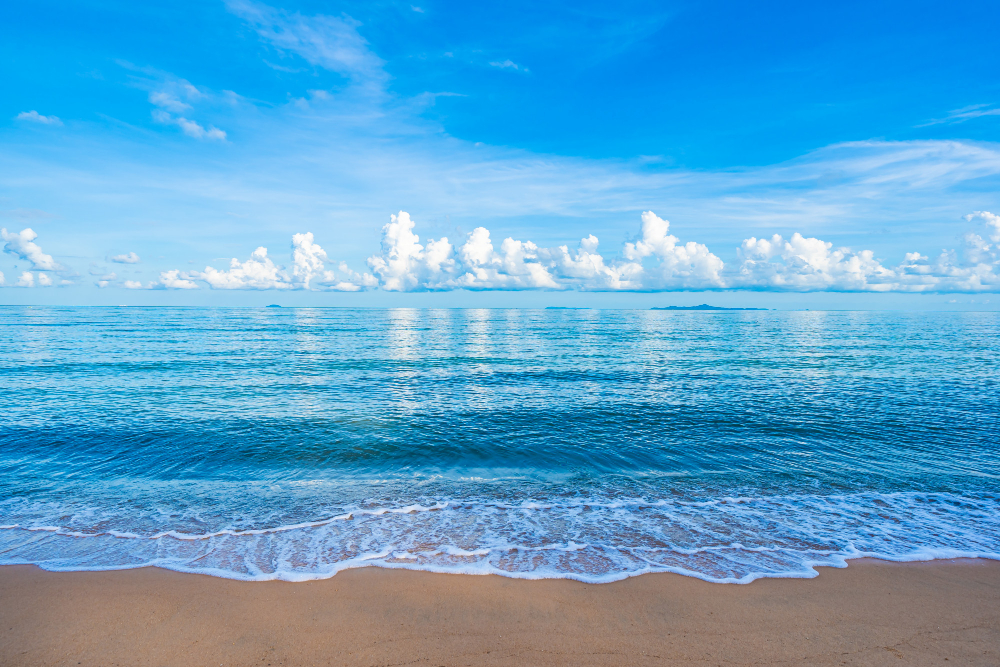
There is a small island directly south of Milos that most visitors to Greece never hear about. It has no permanent residents, no hotels, no restaurants, no roads and no electricity. What it does have is some of the most transparent water in the Mediterranean, beaches that look like they belong in the Caribbean, and a complete absence of the crowds that define summer in the Cyclades.
The island is called Polyaigos. It is 18 square kilometres of raw Aegean landscape, and the only way to reach it is by boat.
What Is Polyaigos?
Polyaigos is the largest uninhabited island in the Cyclades. It sits in the sea between Milos and Kimolos, about 25–30 minutes by boat from the southern coast of Milos.
The island was inhabited in antiquity — there are traces of ancient settlements and a small Byzantine church still standing near one of the bays. But today it is home only to wild goats (the name Polyaigos literally means "many goats" in Greek), monk seals, migratory birds and the occasional boat that anchors in one of its bays for a few hours.
Because there is no permanent human presence, the coastline is completely untouched. The beaches have no sunbeds, no beach bars, no umbrellas. You anchor, you swim, you move on. That is the entire experience — and it is extraordinary.
Why Polyaigos Is Worth the Crossing
The water around Polyaigos is different from almost anywhere else in the Aegean. Because the island has zero development, there is no runoff, no coastal construction, no tourist infrastructure to disturb the seabed. The result is visibility that regularly exceeds 25 metres and a colour palette — turquoise, aquamarine, pale green in the shallows — that photographs almost unbelievably.
The beaches are predominantly white and grey pebble, smooth and clean, with no debris. Several bays have underwater rock formations and small caves accessible by snorkelling. The seabed is a mix of white sand and volcanic rock, with excellent conditions for spotting sea life including octopus, sea urchins and on lucky days, monk seals.
The silence is also remarkable. On a calm day anchored in one of the Polyaigos bays, the only sounds are the water lapping against the hull and the occasional cry of a seabird. After a summer in the Cyclades, this level of quiet feels almost surreal.
The Best Beaches on Polyaigos
Polyaigos has multiple beaches spread around its coastline. The most visited are on the northern and eastern sides, which face Milos and Kimolos respectively.
Vani Bay
The most popular anchorage on Polyaigos. A wide, sheltered bay with a long stretch of pale grey pebble beach and water that is brilliantly turquoise in the shallows. Calm even when there is wind on the Milos side. Large enough to accommodate several boats without feeling crowded.
The Eastern Bays
A series of smaller coves on the eastern coast facing Kimolos. These are less visited than Vani and feel even more remote. The water here is shallower and even more transparent. Best reached on a clockwise route from Milos.
The Southern Coast
Rougher and less accessible than the northern bays, the southern coast of Polyaigos sees almost no boat traffic. On calm days it is possible to anchor here — the landscape is dramatically different from the more sheltered northern side, with steeper cliffs and darker rock.
When to Go to Polyaigos
Best months: June, early July and September. The water is warm, the meltemi wind is manageable, and the number of boats making the crossing is lower than in peak season.
Avoid: Late July and August in strong meltemi conditions. The crossing from Milos can be rough when the northerly wind is strong, and Polyaigos offers limited shelter if conditions deteriorate once you are there.
Time of day: Morning departures are best. The crossing is calmer, the light on the water is better for swimming and photography, and you arrive before the handful of boats that make the trip later in the day.
How to Get to Polyaigos from Milos
There is no ferry service to Polyaigos. No water taxi. No scheduled connection of any kind. The only way to reach it is by private boat.
Option 1 — Rent a boat and go yourself Our full-day rental gives you enough time to cross to Polyaigos, spend 2–3 hours exploring multiple beaches, and return to Milos comfortably. The crossing takes around 25–30 minutes from Agia Kyriaki Beach. No licence required for our 50hp boats.
Option 2 — Join our Polyaigos cruise Our 5-hour Polyaigos cruise departs from Agia Kyriaki Beach or Pollonia and spends the majority of the time anchored at Polyaigos. An experienced skipper handles the crossing and navigation — particularly important if conditions are choppy.
Option 3 — Include Polyaigos in the 8-hour tour Our 8-hour full-day cruise combines Kleftiko, Sykia, Polyaigos and Kimolos in a single day. The most comprehensive way to see the best of the area.
What to Bring to Polyaigos
Because there is absolutely nothing on the island, you need to bring everything:
- Food and water — there is no shop, no taverna, no vending machine. Bring a proper lunch, snacks and more water than you think you need.
- Snorkelling gear — the underwater conditions are exceptional. Do not miss this.
- Sunscreen — reef-safe products preferred. The ecosystem around Polyaigos is pristine and worth protecting.
- A waterproof bag — for your phone and camera. The light here is extraordinary and you will want to photograph everything.
- A windproof layer — for the crossing back if the afternoon wind picks up.
If you rent a boat with us, we provide a cooler with ice, drinking water, soft drinks and a sunshade. Bring food and anything else you need on top of that.
Polyaigos and the Monk Seals
The waters around Polyaigos and the southern coast of Milos are one of the most important habitats for the Mediterranean monk seal (Monachus monachus) in Greece. The monk seal is one of the rarest marine mammals in the world — there are fewer than 800 individuals left in existence.
If you see a monk seal in the water near Polyaigos, observe from a distance and do not approach, chase or attempt to touch it. Keep engine noise to a minimum near the rocky coastline where they rest. This is not just courtesy — the monk seal is legally protected under Greek and European law.
Polyaigos vs Kleftiko — Which Should You Choose?
This is the most common question from visitors trying to decide how to spend a day on the water.
Choose Kleftiko if: you want dramatic rock formations, sea caves to swim through, and striking visual scenery. Kleftiko is more photogenic and more physically engaging — there is more to explore and more to do.
Choose Polyaigos if: you want the best possible swimming and snorkelling, complete tranquillity, and the feeling of being somewhere completely removed from the tourist circuit. Polyaigos is less dramatic but more serene.
The honest answer: if you have a full day, do both. Our 8-hour cruise covers Kleftiko, Sykia and Polyaigos in a single day. It is the best day on the water you can have from Milos.
Book Your Polyaigos Trip
Call or WhatsApp us on +30 698 79 30 867 or email poseidonmilosboats@hotmail.com.
We depart daily from Agia Kyriaki Beach and Adamas. Book in advance — particularly in July and August when availability fills up fast.
View the 5-hour Polyaigos cruise → View the 8-hour full-day cruise → View self-drive boat rental →
Whether you book one of our milos boat tours, join our milos cruises, or opt for a milos boat rental, Poseidon Milos has been running cruises to Polyaigos from Milos since 2018. Our skippers know every anchorage and every condition on this crossing.